Blog
A Beginner's Guide to Understanding HVAC System Components Jun 19, 2026
Heating, ventilation, and air conditioning systems, commonly referred to as HVAC, play a crucial role in maintaining comfort within residential and commercial spaces. For many homeowners and business operators, understanding the key components of an HVAC system can be daunting. This guide is designed to help beginners demystify the workings of their HVAC systems, allowing for informed conversations with service providers like ZHI Services, and enabling better decisions when it comes to maintenance and upgrades.
The primary function of an HVAC system is to regulate the indoor climate and ensure air quality. At its core, an HVAC system is comprised of several essential components. Understanding each part can help you appreciate the intricate processes that occur every time you adjust your thermostat.
Central to the HVAC system is the furnace, responsible for generating heat. The furnace's function is crucial as it draws in air, heats it, and then disperses the warm air throughout the building. Furnaces can run on various energy sources, including gas, electricity, and oil. Regular maintenance of the furnace can prevent breakdowns and inefficiencies, underscoring the importance of reliable HVAC services.
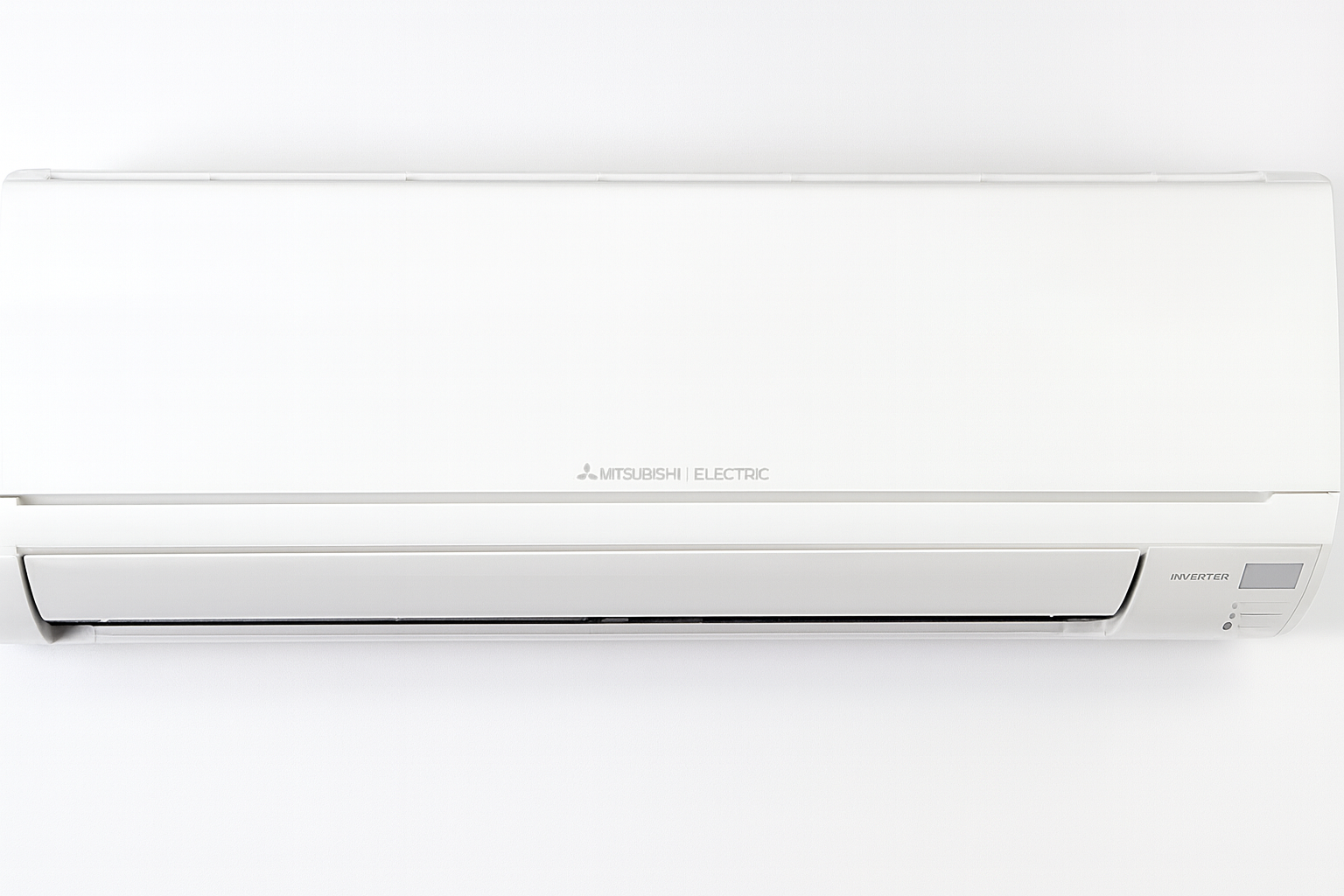
Next in line is the air conditioner, which works to cool the air circulating in your home or office. It extracts heat from the indoor air, dissipating it outside, and releasing the cooled air indoors. Key components like the compressor, condenser coil, and evaporator are integral to this cooling process. The compressor, located in the outdoor unit, plays a crucial role in ensuring that refrigerant circulates throughout the HVAC system to facilitate cooling.
Beyond heating and cooling, ventilation is another critical aspect of HVAC systems. Proper ventilation ensures the removal of unwanted pollutants, stale air, and moisture, thus maintaining a fresh environment. Ventilation systems work by bringing in outside air, filtering it, and then circulating it throughout the space, thus enhancing indoor air quality. The importance of regularly cleaning or replacing air filters cannot be overstated, as clogged filters can impede airflow and reduce system efficiency.
An often-overlooked component is the ductwork, the network of ducts that transports air between the different components of your HVAC system and the areas inside your home. Without efficient ductwork, heated or cooled air could be lost on the way to its destination, resulting in energy wastage and increased costs. Properly sealed and insulated ducts ensure that air moves efficiently throughout the system.
The thermostat acts as the control center for most HVAC systems. Modern thermostats, including programmable and smart models, allow for precise control over temperature settings, enabling you to optimize energy use and maintain comfort with minimal effort. Familiarizing yourself with your thermostat's settings and capabilities can significantly impact your energy bills, making it a smart component to understand and manage.
In closing, understanding the basic components of an HVAC system allows you to optimize your system’s performance and lifespan. With the guidance of trusted professionals like those at ZHI Services, you can ensure your HVAC system remains efficient and effective. Whether through routine maintenance, timely repairs, or system upgrades, a well-looked-after HVAC setup contributes greatly to comfort and cost efficiency in any building. Becoming informed is the first step towards achieving a more comfortable and sustainable environment all year round.